
Death of the Wolf feels like more than a new single. It sounds like a line being drawn. Set for release on January 25, 2026, the track captures Night Wolf at a moment of real change, both creatively and personally. It is dark, reflective, and quietly powerful, shaped by mood rather than formula.

From the first listen, what stood out to me was how controlled the atmosphere feels. Night Wolf’s production blends genres without advertising the fact. Cinematic textures, subtle rhythmic weight, and open space all work together to create something that feels inward-looking but expansive at the same time. This is music built on feeling first, not trends.
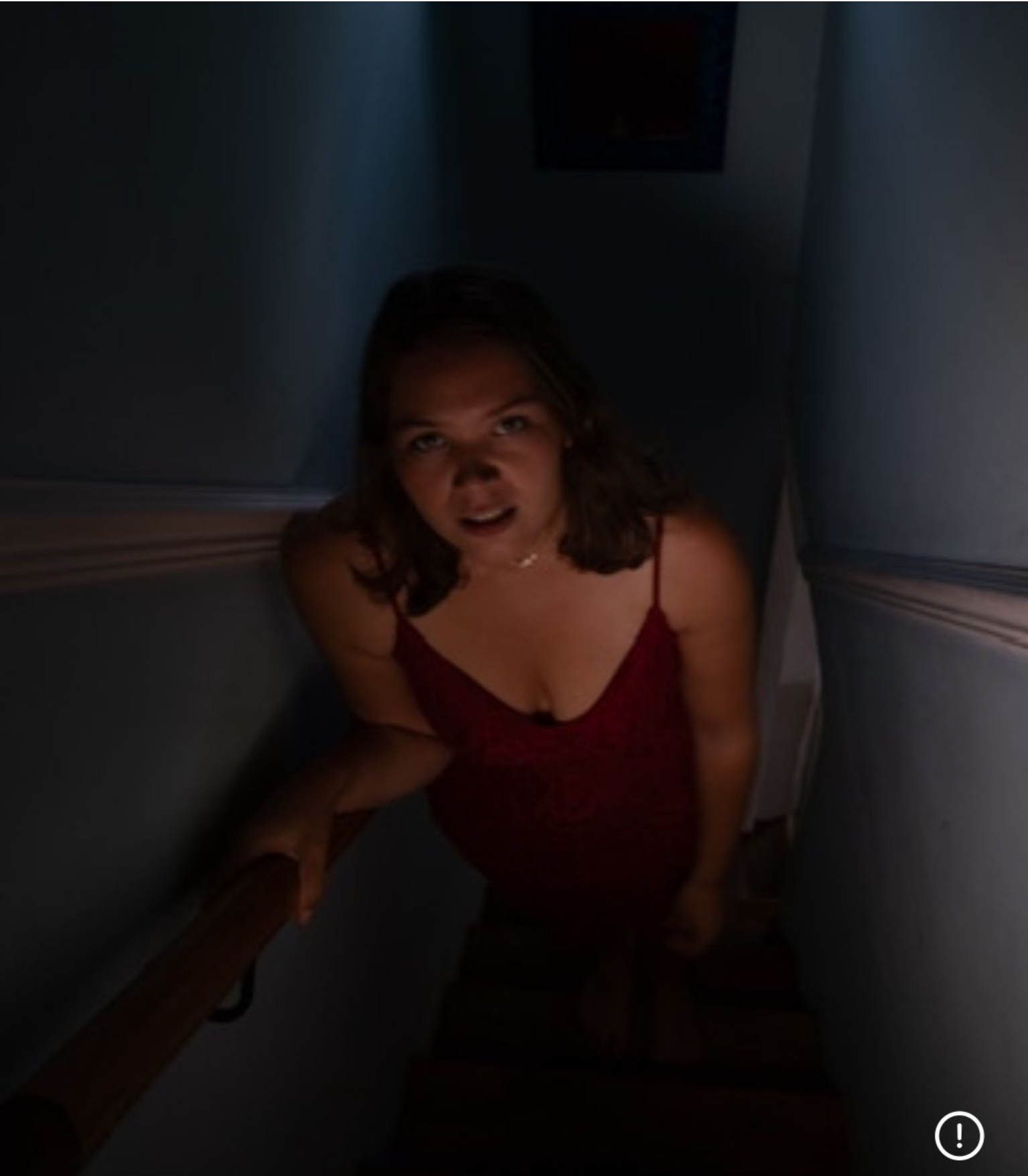
The collaboration with Lois Powell is central to that impact. This is their second release together, and you can hear the trust between them. The song began as half-written lyrics from Night Wolf, with Powell stepping in to complete the story. Her contribution brings emotional clarity and vulnerability without overpowering the track. Her voice carries a sense of honesty that feels lived-in, never performative.
Knowing the context behind the recording deepens the listening experience. Most of Death of the Wolf was created in Night Wolf’s home studio, which gives the track a close, personal feel. The piano section, recorded in a quiet church, is especially striking. It adds a sense of stillness and gravity, like a pause for breath in the middle of something heavy. That moment alone elevates the song from moody to meaningful.
This release also marks a major shift in Night Wolf’s career. After years of publishing through Flipper Music and working with respected labels like Deneb Records and Barry Music in Italy, he has stepped away to self-release under his own imprint, EscaVolt Records. Death of the Wolf is the second release on the label, and you can feel the freedom in it. The presentation feels more intentional, more personal, and more controlled than before.
Night Wolf’s background in film, television, and sound design comes through subtly rather than loudly. With placements across Netflix, Channel 4, Sky, major sports networks, and international broadcasters, he understands how music shapes narrative. Here, that experience is used to support emotion rather than spectacle. The track unfolds patiently, letting tension and release arrive naturally.
What I appreciate most about Death of the Wolf is its restraint. It does not rush to explain itself. The lyrics are not literal, and the mood is allowed to sit in ambiguity. That openness invites the listener in, encouraging personal interpretation rather than dictating meaning.
As an artist, Night Wolf has always leaned toward experimentation, but this release feels especially focused. Combined with his work through No Paw Audio and his openness to collaboration with artists who value authenticity, Death of the Wolf feels like the sound of someone taking ownership of their voice.
This is not just another single. It is a turning point. And it suggests that Night Wolf’s next chapter may be his most honest yet.
connect with Night Wolf on