
Some music feels written for the present moment. Other music feels excavated. Christian Licursi’s project Amarna Letters belongs firmly in the second category. From the first listen, I had the sense that this wasn’t just a collection of songs, but a deliberate attempt to reach backward through time and pull something ancient into a modern sonic frame.
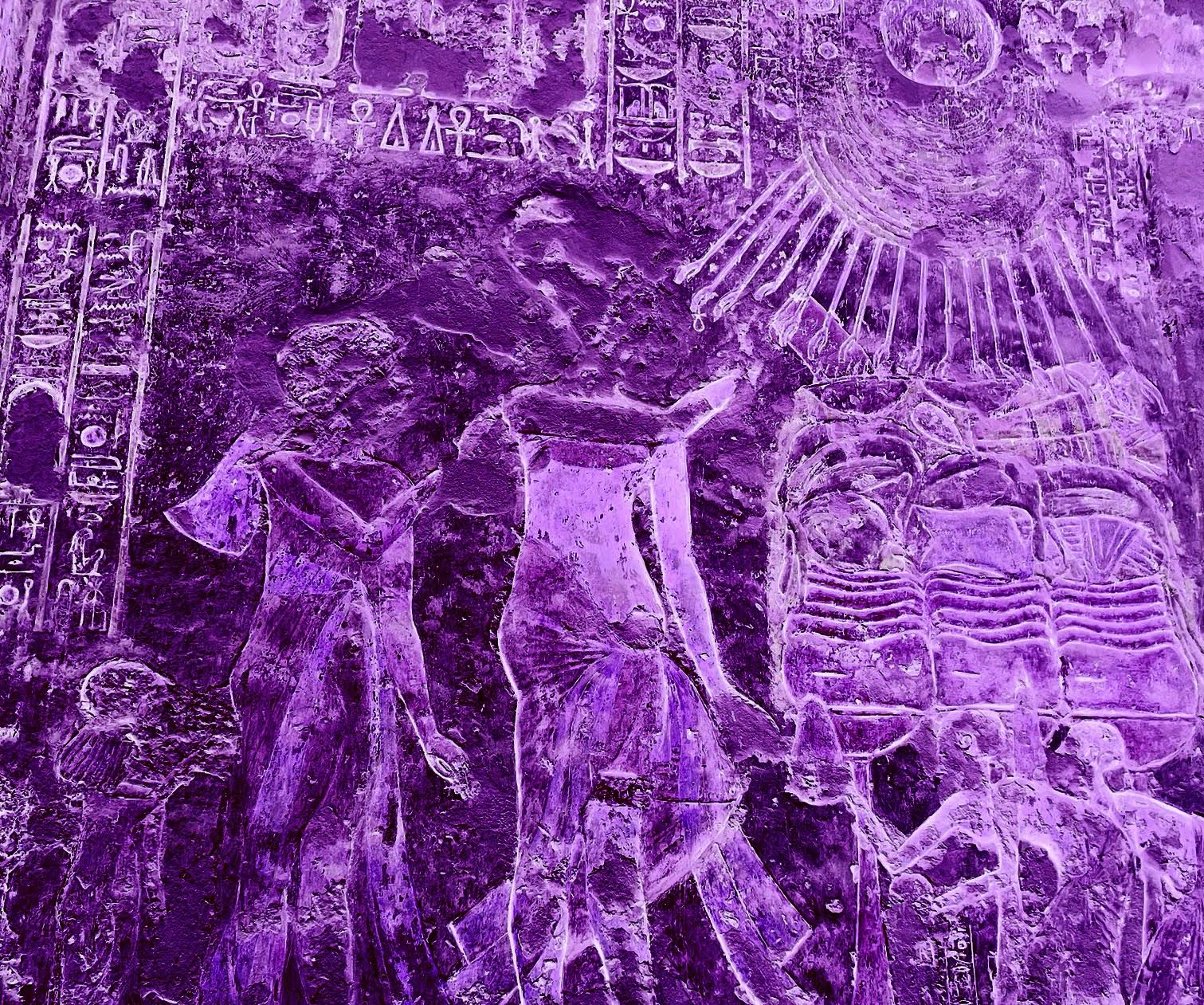
Inspired by the Amarna tablets and the radical reign of Akhenaten, the project draws from one of the most fascinating spiritual upheavals in recorded history. Akhenaten’s solar-obsessed revolution — dismantling Egypt’s traditional pantheon and reshaping worship around a single creator in heaven — remains one of the boldest ideological shifts of the ancient world. That sense of rupture, of tearing down old systems to build something startlingly new, pulses through Licursi’s music.
What I find especially compelling is how he translates that historical tension into sound. BBC Introducing described his work as unique, noting the fusion of sitar, rock, and electronic beats, and I genuinely hear that boundary-pushing quality. There’s something fearless about the way these elements collide. The sitar carries an ancient, almost ritualistic texture. The rock foundation grounds the music in familiar energy. The electronic layers stretch it forward into something atmospheric and slightly otherworldly. It should feel disjointed, but instead it feels intentional — like different eras speaking at once.
Licursi has said he is inspired by lucid dreams and historical synchronicities, and that idea makes sense when listening closely. The project doesn’t feel linear. It feels symbolic. Themes surface, dissolve, and reappear in altered forms, much like fragments of a dream. There’s also a noticeable emotional undercurrent — a deep connection to ancestral roots that gives the music weight beyond experimentation. This is not genre-blending for novelty’s sake. It feels like a search.
One quote from BBC Introducing resonates strongly with me: praise for artists who “put pressure on the boundaries of the form they are operating in.” That’s exactly what Amarna Letters does. It presses against stylistic walls and finds its own territory. In my view, that is where its strength lies. The project does not sit comfortably inside rock, world music, or electronic categories. Instead, it creates a hybrid space where modern production techniques coexist with echoes of the ancient world.
What also stands out is the thematic relevance. Though rooted in a story from the 14th century BCE, the idea of questioning dominant belief systems and reshaping cultural language feels strikingly current. The project becomes more than historical reflection; it feels like commentary on cycles of reinvention that humanity continues to repeat.
Amarna Letters is not passive listening. It invites curiosity. It rewards attention. And for me, its most powerful achievement is that it makes an ancient revolution feel alive again — not as distant history, but as a living, breathing force moving through sound.
connect with Christian Licursi on
Instagram