
What makes “Yvette” so affecting is its restraint. With this release, Esvan Du Quador avoids the temptation to overstate emotion, choosing instead to let silence, fragility, and atmosphere carry the weight of memory.
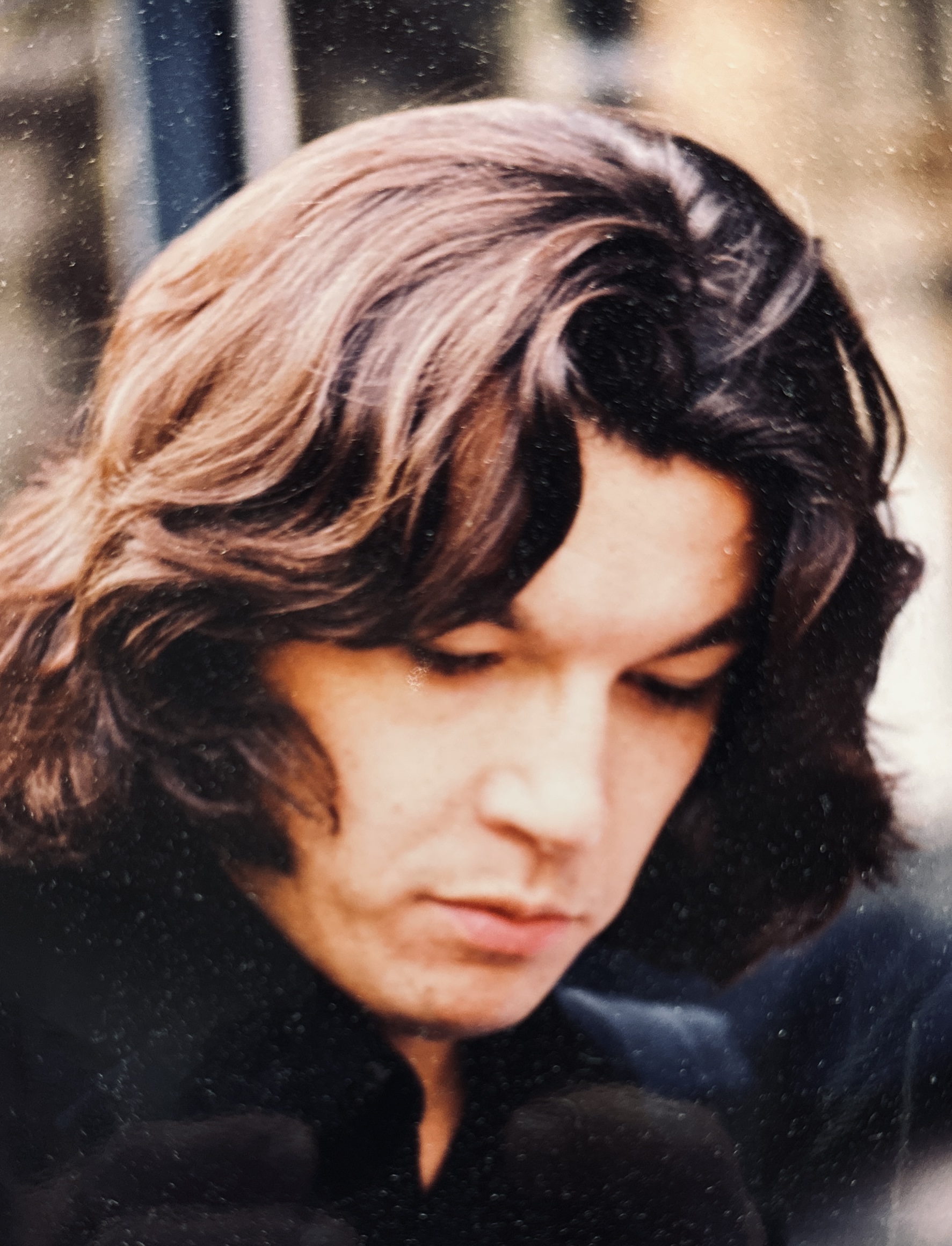
Part of the larger Famille series, the track functions as a sonic portrait dedicated to the artist’s aunt. But importantly, “Yvette” never feels locked inside one specific personal story. By removing vocals entirely and allowing the melody to speak alone, the piece opens itself to listeners’ own memories and emotional associations.
That openness is what gives the composition its quiet power.
Musically, the track sits somewhere between ambient cinema, minimalist electro-acoustic music, and slow-burning trip-hop atmosphere. Soft textures, restrained grooves, and carefully placed melodic fragments create the feeling of moving through memory itself, incomplete, emotional, and slightly blurred at the edges.
The central refrain is especially effective because of its vulnerability. The melody feels intentionally delicate, almost unstable, as if it might dissolve if pushed too hard. That fragility becomes the emotional center of the piece. Rather than building toward dramatic climax, the song remains suspended in contemplation.
What I appreciate most is how visual the composition feels. Esvan Du Quador clearly approaches music cinematically, not in the sense of grand orchestral spectacle, but through emotional pacing and spatial detail. Every sound seems chosen for mood rather than technical display. The result feels closer to an internal monologue or a faded photograph than a traditional instrumental track.
The minimalist production also works beautifully here. Nothing feels overcrowded. The electro-acoustic textures breathe naturally, allowing small details to carry emotional significance. A subtle rhythm, a lingering note, a moment of empty space, all become part of the storytelling.
That sense of atmosphere aligns perfectly with Esvan Du Quador’s broader artistic identity. His work consistently blends raw sound design, slow hip-hop influenced grooves, and introspective ambient structures into music that feels hypnotic without becoming passive.
And “Yvette” may be one of the clearest examples of that balance. It’s intimate without becoming sentimental, cinematic without becoming oversized. A quiet act of remembrance transformed into something listeners can emotionally inhabit themselves.And sometimes the softest music leaves the deepest impression.