
There’s no shortage of songs that touch on social issues, but few tackle humanity’s future with the same urgency as Stephen Wicks’ The Doomsday Clock (85 Seconds to Midnight). Inspired by the Bulletin of the Atomic Scientists’ symbolic Doomsday Clock, the track transforms a sobering scientific warning into an intense rock anthem that feels both timely and deeply thought-provoking.
What immediately stands out is the song’s ambition. Rather than focusing on a single issue, Wicks addresses the growing collection of existential threats facing the modern world—from climate change and nuclear proliferation to artificial intelligence and geopolitical instability. It’s a broad subject, but instead of becoming unfocused, the songwriting ties these concerns together under one central question: how close are we to a point of no return?
Musically, The Doomsday Clock (85 Seconds to Midnight) matches the weight of its message. Driving guitar riffs, cinematic production, and an escalating sense of tension mirror the relentless countdown suggested by the title. The arrangement feels purposeful throughout, never allowing the momentum to fade, while the rock instrumentation provides enough energy to keep the song engaging without overshadowing its lyrical content.
What I appreciate most is that the track doesn’t come across as fearmongering. Instead, it feels like a call for awareness. The lyrics encourage listeners to reflect on the direction humanity is taking rather than simply dwelling on catastrophe. That distinction makes the song far more compelling because it invites conversation instead of delivering a lecture.
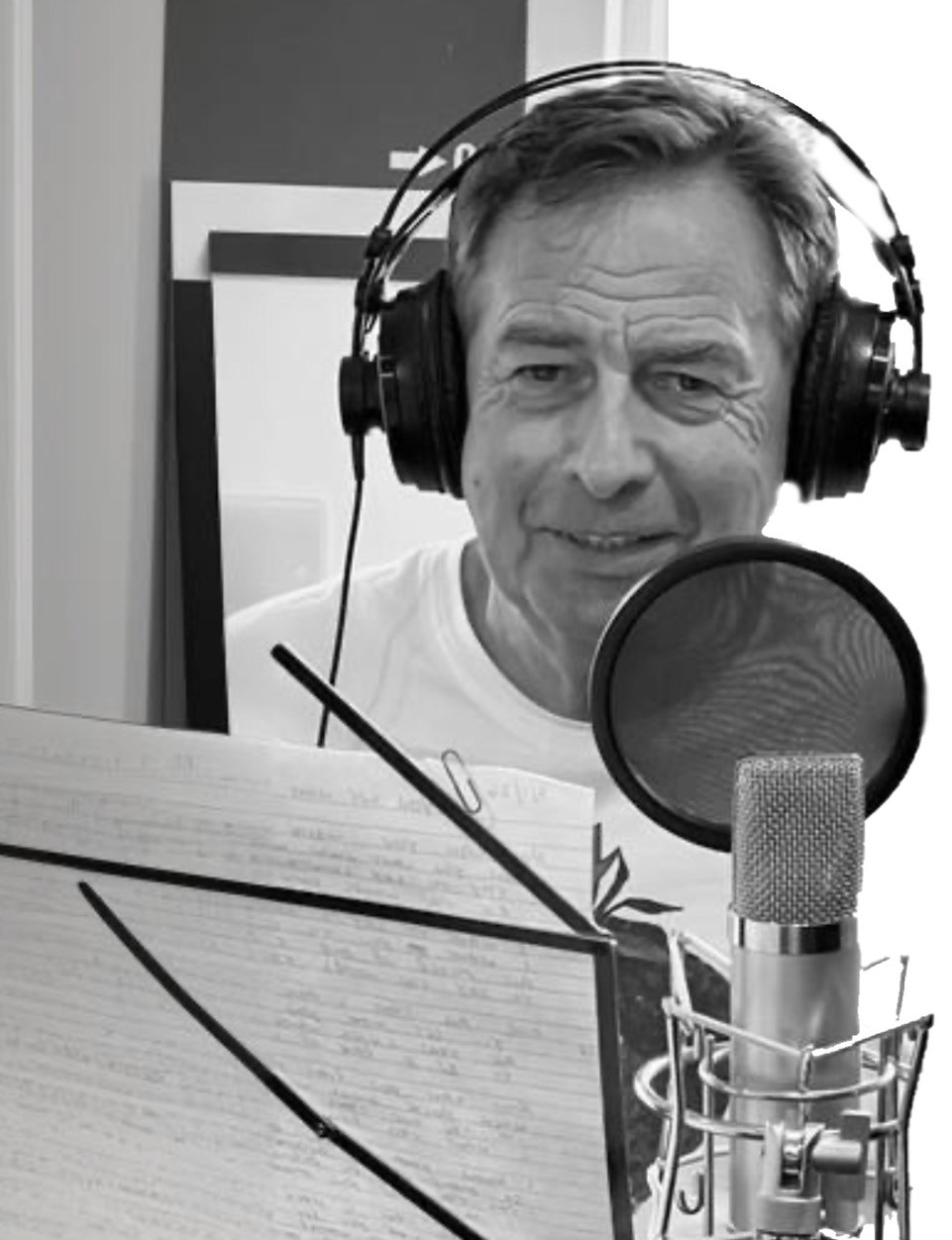
Stephen Wicks’ personal story also adds another layer to the release. Reinventing himself as a singer-songwriter at the age of 74 after a successful career as a property entrepreneur and corporate executive is inspiring in itself. Rather than treating music as a retirement hobby, he approaches it with genuine purpose, drawing on decades of life experience to write songs that confront difficult subjects with maturity and conviction.
The production deserves recognition as well. George Shilling’s experience working with artists such as Blur, Primal Scream, and Steve Winwood is evident in the polished yet emotionally charged sound, while Stefan Hauk’s lead guitar work injects the track with both technical precision and expressive power. Together, they elevate Wicks’ songwriting into something that feels cinematic without losing its rock foundations.
The accompanying music video also appears to be an essential part of the experience rather than an afterthought. By visually representing the relentless ticking of the clock and the fragility of our world, it reinforces the themes explored in the music and expands the emotional impact of the song.
Perhaps the most impressive aspect of The Doomsday Clock (85 Seconds to Midnight) is its sincerity. Wicks isn’t chasing chart trends or writing vague protest lyrics. Instead, he has created a song driven by genuine concern for future generations. Whether listeners agree with every implication or not, the passion behind the message is unmistakable, giving the song an authenticity that resonates.
Ultimately, The Doomsday Clock (85 Seconds to Midnight) is more than an engaging rock single—it’s a thoughtful reminder that music can still challenge, provoke, and inspire reflection. Stephen Wicks has proven that meaningful songwriting has no age limit, delivering a powerful release that combines cinematic rock with an urgent message about the future we are collectively creating.
Follow Stephen Wicks on