
There is a fine line between self-awareness and self-destruction. On “Dumbo,” Billie J Woolf walks that line with remarkable honesty, transforming insecurity, self-reflection, and personal contradiction into a compelling piece of theatrical art-rock.
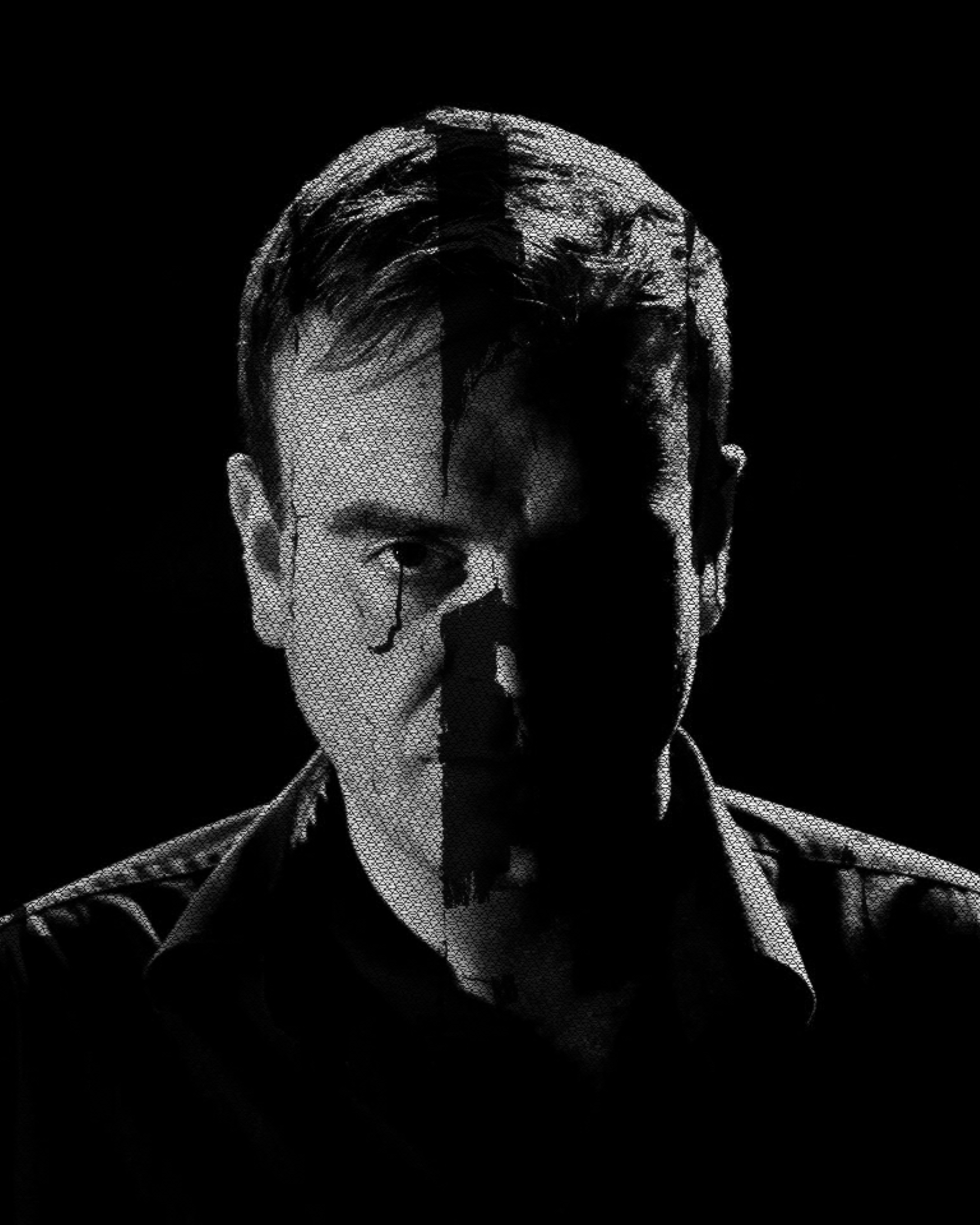
At first glance, the title may evoke images of awkwardness, vulnerability, or even ridicule. Yet Woolf uses “Dumbo” as something far more profound: a meditation on the stories we tell ourselves about who we are and the limitations we accept as truth. Rather than offering a straightforward narrative, the song unfolds like an internal dialogue, exposing the fragile space between self-perception and reality.
What makes “Dumbo” so effective is its willingness to embrace discomfort. The track refuses the polished certainty that dominates much of contemporary culture. Instead, it leans into confusion, contradiction, and emotional exposure, inviting listeners to confront the parts of themselves they often try to hide. In Woolf’s hands, vulnerability becomes a form of rebellion.
Musically, the song thrives within a richly theatrical framework. Art-rock provides the perfect vehicle for Woolf’s vision, allowing dramatic shifts in mood and perspective to coexist alongside memorable melodies and expressive arrangements. The result feels both intimate and expansive, as if a private thought process has been transformed into a public performance.
There is a strong sense of transformation running throughout the track. What begins as introspection gradually evolves into something larger, challenging the listener to question fixed identities and inherited narratives. Woolf understands that personal growth rarely arrives through certainty. More often, it emerges from dismantling old assumptions and allowing ourselves to become something new.
That theme aligns perfectly with the artist’s broader creative philosophy. Billie J Woolf’s work consistently explores the fluidity of identity, the beauty hidden within imperfection, and the possibility of finding meaning within emotional chaos. “Dumbo” feels like a concentrated expression of those ideas, distilled into a song that is both deeply personal and universally relatable.
The performance itself carries a raw authenticity that prevents the track from becoming overly conceptual. No matter how philosophical its themes become, the emotional core remains tangible and human. Listeners do not need to understand every symbolic layer to connect with the feeling at its center.
What lingers long after the song ends is its sense of liberation. “Dumbo” is not about achieving perfection or arriving at a final version of oneself. It is about accepting uncertainty, embracing complexity, and finding strength in the very qualities that society often teaches us to suppress.
In a world obsessed with certainty and self-definition, Billie J Woolf offers a refreshing alternative.
“Dumbo” reminds us that sometimes the most courageous thing we can do is stop pretending we have ourselves completely figured out.
Connect with Billie J Woolf on