
What stands out to me about Alternative Piano Club is how it brings different sides of Paul Terry into one space without forcing them to sound the same. This isn’t a compilation in the usual sense. It feels more like a map of how he approaches music from different angles.
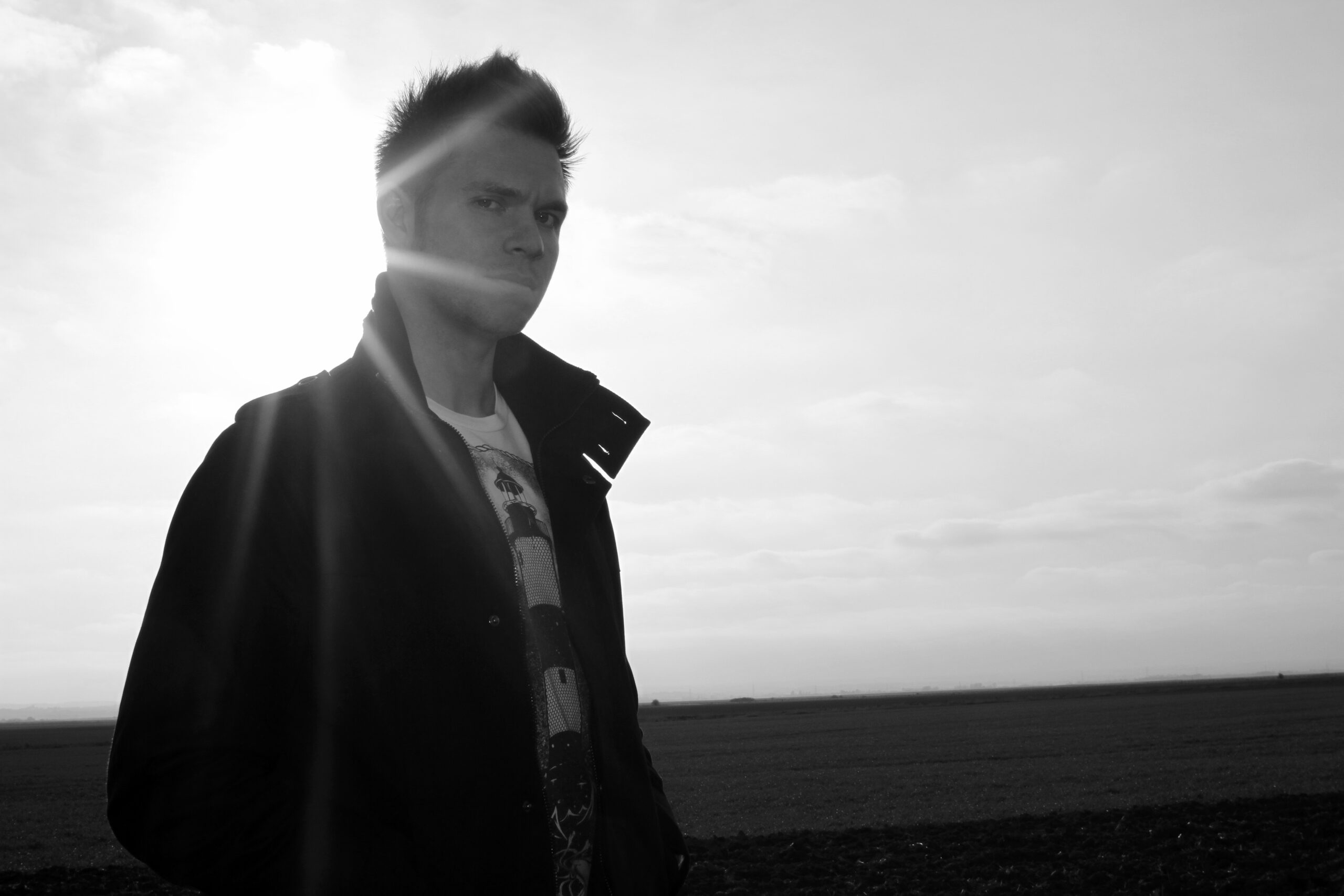
The piano is the common thread, but it’s not used in just one way. Some tracks lean into a more traditional, melodic feel, while others push toward something more atmospheric or experimental. That variation keeps the album from settling into a single mood.
What I find most interesting is how the three identities, Cellarscape, his soundtrack work, and Aptøsrs, sit alongside each other. You can hear the differences, but you can also hear the connections. There’s a consistency in how the music is shaped, even when the styles shift.
The inclusion of “Rust Mountain (Monochrome Piano Version)” is a good example of that. Stripping a post-rock piece down to piano changes the way you experience it. It becomes more introspective, more focused on tone and space rather than scale.
There’s also a sense of history running through the project. With a catalog that spans decades, this album feels like a reflection of that journey rather than just a new release. It pulls from different periods and approaches, giving a broader view of his work.
From a production standpoint, everything feels carefully considered but not overworked. The focus stays on the instrument and the composition rather than layering things unnecessarily. That restraint allows the character of each piece to come through clearly.
What makes the album work for me is its range. It doesn’t try to present a single, unified sound. It allows each track to exist on its own terms while still contributing to the overall experience.
It’s varied, reflective, and built around a clear musical identity.
And that balance is what makes it engaging from start to finish.
connect with Paul Terry on