
What stands out to me about “Our Angel” is how long it’s been lived with before being released. With this debut, Jacqueline Ranieri isn’t sharing something new, she’s sharing something that’s been sitting with her for years. And you can feel that depth in the way the song unfolds.
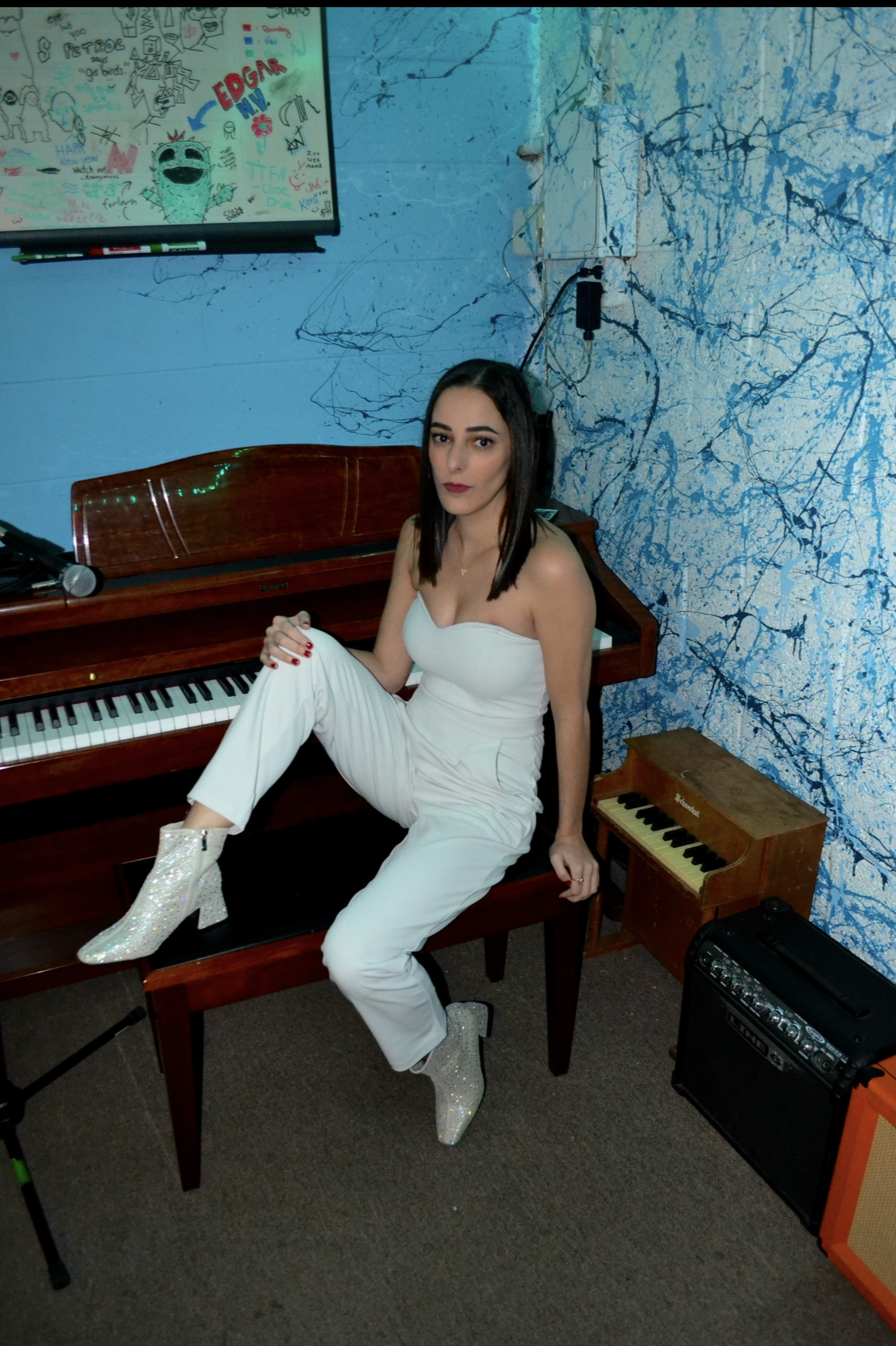
The story behind it matters, but what really makes the track work is how naturally that emotion translates into the music. It doesn’t feel forced or overly dramatic. It feels like something that came out in one moment and was left mostly intact, which gives it a kind of honesty that’s hard to replicate.
The structure reflects that origin. Starting from a piano-led foundation, the song carries an intimacy that never fully disappears, even as it builds into a fuller arrangement. The addition of guitar, bass, and drums adds weight, but it doesn’t take away from the core of the track. The focus always stays on the vocal and the message.
Vocally, there’s a clear influence from artists like Adele and Alicia Keys, but it doesn’t feel imitative. What comes through more is the emotional control. There’s strength in the delivery, but also restraint. She doesn’t push every moment to its limit, which makes the song feel more personal and less performative.

Lyrically, the song deals with grief in a way that feels open rather than specific. Even though it comes from a very personal experience, it leaves enough space for listeners to connect their own memories and losses to it. That’s what gives it a wider impact.
What I also appreciate is the decision to wait before releasing it. A song like this could easily have been rushed out, but taking time to build confidence and shape the final version gives it a sense of completeness. It feels ready, not just emotionally, but musically.
https://soundcloud.com/jacqueline-ranieri-184842616There’s also a noticeable chemistry in the recording. The collaborative elements add depth without overwhelming the original idea. It still feels like a song that began with one person at a piano, even with the added layers.
For me, “Our Angel” works because it doesn’t try to resolve grief or explain it. It simply sits with it and allows that feeling to exist.
It’s quiet, it’s personal, and it doesn’t overreach.
And that’s exactly why it connects.
connect with Jacqueline Ranieri on